Buy healthclue.eu ?
We are moving the project
healthclue.eu .
Are you interested in purchasing the domain
healthclue.eu ?
domain@kv-gmbh.de · 0541-91531010
Buy healthclue.eu ?
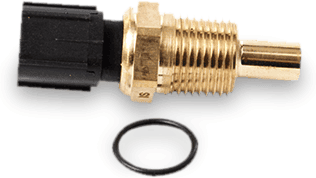
What is the correct name for the coolant temperature sensor?
The correct name for the coolant temperature sensor is the Engine Coolant Temperature (ECT) sensor. This sensor is responsible for monitoring the temperature of the engine coolant and sending this information to the engine control unit (ECU) to help regulate the engine's performance and efficiency. It plays a crucial role in ensuring the engine operates at the optimal temperature for performance and fuel efficiency. **
Does the dealer have to repair the defective coolant sensor as part of the warranty for a used car?
The answer to this question depends on the specific terms of the warranty provided by the dealer. If the warranty explicitly covers the coolant sensor as a part of the vehicle's systems, then the dealer would be obligated to repair or replace the defective sensor at no cost to the buyer. However, if the warranty does not specifically mention the coolant sensor or if it has expired, the dealer may not be required to cover the repair. It is important for the buyer to review the warranty documentation and discuss the issue with the dealer to understand their rights and options. **


Similar search terms for PREXAparts-P202014-Sensor-coolant
Top-Angebote
Products related to PREXAparts-P202014-Sensor-coolant:
-
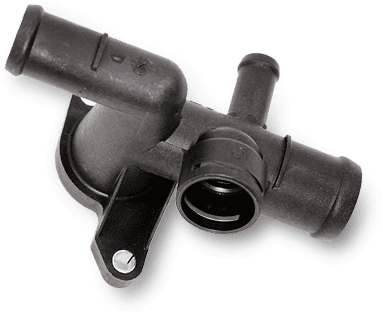
PREXAparts P130030 Coolant Flangefor PR number: 9M0, 9M5, 9AA; TecDoc Engine Number: 17025, 17027, 17500, 16872, 17404, 18201, 18199, 18200, 17405, 17450, 22666, 22170, 19199, 17080, 18222, 20780, 18223, 17986, 18469, 18468, 18134, 18472, 18540, 18541, 20795, 20732, 18883, 16862, 22172, 20797, 20190, 24838, 22452, 20734, 26573, 19902, 19901, 19427, 23136, 20522, 20521, 21734; Vehicle Equipment: for vehicles with electr. auxiliary heater, for vehicles without electr. auxiliary heater, for vehicles without air conditioning; Vehicle Identification Number (VIN) from: 3C-9-000 001, 1P-B-000 001; Construction Year from: 11/2008, 12/2009, 05/2013; Construction Year to: 11/2009; Vehicle Identification Number (VIN) to: 1K-7-299 0006,59 £*Shipping: 8,45 £Secure redirect to the provider
-
PREXAparts P130020 Coolant FlangeCooling Hose: from connecting pipe to engine cooler; Construction Year from: 01/2000; Vehicle Equipment: for vehicles with manual transmission; Vehicle Identification Number (VIN) to: 1J-X-800000, 1M-X-032 000, 7M-1-019 785, 7M-1-506 237; Transmission Type: Manual Transmission; Construction Year to: 12/20045,59 £*Shipping: 8,45 £Secure redirect to the provider


-
What is coolant?
Coolant is a liquid or gas substance used to regulate the temperature of a system, typically an engine or machinery. It is designed to absorb and transfer heat away from the system to prevent overheating and maintain optimal operating conditions. Coolant is commonly a mixture of water and antifreeze, which helps to prevent freezing in cold temperatures and corrosion within the system. It is an essential component in maintaining the efficiency and longevity of various mechanical systems. **
-
Is it bad if I mix yellow coolant with pink coolant?
Yes, it is not recommended to mix different colored coolants. Yellow coolant is typically an extended-life coolant (often referred to as Dex-Cool), while pink coolant is usually a traditional ethylene glycol-based coolant. Mixing these two types of coolant can lead to chemical reactions that can cause corrosion, clogging, and damage to the cooling system. It is best to flush the system and use the correct type of coolant recommended by the manufacturer. **
-
Is coolant loss normal?
Coolant loss can occur due to evaporation, leaks, or overheating in a vehicle, but it is not considered normal. If you notice a significant loss of coolant, it is important to have your vehicle inspected by a mechanic to determine the cause of the issue. Ignoring coolant loss can lead to engine damage and overheating, so it is best to address the issue promptly. Regular maintenance and inspections can help prevent coolant loss and ensure the proper functioning of your vehicle's cooling system. **
-
Is the coolant correct?
To determine if the coolant is correct, you should check the owner's manual of the vehicle to see what type of coolant is recommended. You can also visually inspect the coolant in the reservoir to ensure it is the proper color and consistency. If you are unsure, it is best to consult a mechanic or bring your vehicle to a service center to have the coolant checked and potentially replaced if needed. **
What is coolant 3?
Coolant 3 is a type of coolant or antifreeze used in automotive and industrial applications. It is typically a mixture of water and ethylene glycol, along with additives to prevent corrosion and improve heat transfer. Coolant 3 is designed to protect the engine from freezing in cold temperatures and from overheating in hot temperatures, while also preventing corrosion and lubricating the water pump. It is important to use the correct type of coolant for your specific vehicle or equipment to ensure optimal performance and longevity. **
Should I refill coolant?
Yes, it is important to regularly check and refill coolant in your vehicle to ensure that the engine stays at the proper operating temperature. Low coolant levels can lead to overheating and potential damage to the engine. It is recommended to check the coolant level and condition regularly and refill as needed to maintain the proper balance of coolant and water in the system. If you are unsure about how to refill the coolant, it is best to consult your vehicle's manual or seek the assistance of a professional mechanic. **
Top-Angebote
Products related to PREXAparts-P202014-Sensor-coolant:
-
What is the correct name for the coolant temperature sensor?
The correct name for the coolant temperature sensor is the Engine Coolant Temperature (ECT) sensor. This sensor is responsible for monitoring the temperature of the engine coolant and sending this information to the engine control unit (ECU) to help regulate the engine's performance and efficiency. It plays a crucial role in ensuring the engine operates at the optimal temperature for performance and fuel efficiency. **
-
Does the dealer have to repair the defective coolant sensor as part of the warranty for a used car?
The answer to this question depends on the specific terms of the warranty provided by the dealer. If the warranty explicitly covers the coolant sensor as a part of the vehicle's systems, then the dealer would be obligated to repair or replace the defective sensor at no cost to the buyer. However, if the warranty does not specifically mention the coolant sensor or if it has expired, the dealer may not be required to cover the repair. It is important for the buyer to review the warranty documentation and discuss the issue with the dealer to understand their rights and options. **
-
What is coolant?
Coolant is a liquid or gas substance used to regulate the temperature of a system, typically an engine or machinery. It is designed to absorb and transfer heat away from the system to prevent overheating and maintain optimal operating conditions. Coolant is commonly a mixture of water and antifreeze, which helps to prevent freezing in cold temperatures and corrosion within the system. It is an essential component in maintaining the efficiency and longevity of various mechanical systems. **
-
Is it bad if I mix yellow coolant with pink coolant?
Yes, it is not recommended to mix different colored coolants. Yellow coolant is typically an extended-life coolant (often referred to as Dex-Cool), while pink coolant is usually a traditional ethylene glycol-based coolant. Mixing these two types of coolant can lead to chemical reactions that can cause corrosion, clogging, and damage to the cooling system. It is best to flush the system and use the correct type of coolant recommended by the manufacturer. **
Similar search terms for PREXAparts-P202014-Sensor-coolant
-
PREXAparts P130030 Coolant Flangefor PR number: 9M0, 9M5, 9AA; TecDoc Engine Number: 17025, 17027, 17500, 16872, 17404, 18201, 18199, 18200, 17405, 17450, 22666, 22170, 19199, 17080, 18222, 20780, 18223, 17986, 18469, 18468, 18134, 18472, 18540, 18541, 20795, 20732, 18883, 16862, 22172, 20797, 20190, 24838, 22452, 20734, 26573, 19902, 19901, 19427, 23136, 20522, 20521, 21734; Vehicle Equipment: for vehicles with electr. auxiliary heater, for vehicles without electr. auxiliary heater, for vehicles without air conditioning; Vehicle Identification Number (VIN) from: 3C-9-000 001, 1P-B-000 001; Construction Year from: 11/2008, 12/2009, 05/2013; Construction Year to: 11/2009; Vehicle Identification Number (VIN) to: 1K-7-299 0006,59 £*Shipping: 8,45 £Secure redirect to the provider
-
PREXAparts P130020 Coolant FlangeCooling Hose: from connecting pipe to engine cooler; Construction Year from: 01/2000; Vehicle Equipment: for vehicles with manual transmission; Vehicle Identification Number (VIN) to: 1J-X-800000, 1M-X-032 000, 7M-1-019 785, 7M-1-506 237; Transmission Type: Manual Transmission; Construction Year to: 12/20045,59 £*Shipping: 8,45 £Secure redirect to the provider
-
PREXAparts P130035 Coolant FlangeTecDoc Engine Number: 9451, 9450, 9990, 5074, 12488, 16200, 13269, 12509, 13468, 9454, 9453, 15474, 20628, 21075, 11347, 15353, 11591, 15470, 13273, 5075, 11592, 11927, 10607, 14915, 16135, 16136, 15476, 15478, 15477, 14910, 15473, 9456, 15486, 15479, 19255; Transmission Type: Automatic Transmission, not for manual transmission; Vehicle Equipment: for vehicles without air conditioning, for vehicles with air conditioning, for vehicles with automatic transmission; Construction Year from: 08/2000; Vehicle Identification Number (VIN) from: 1J-YD403141, 1U-Y-232430, 7M-1-035 000, 1J-YB062010; Construction Year to: 04/1999; Vehicle Identification Number (VIN) to: 7M-1-512 5006,29 £*Shipping: 8,45 £Secure redirect to the provider
-
Is coolant loss normal?
Coolant loss can occur due to evaporation, leaks, or overheating in a vehicle, but it is not considered normal. If you notice a significant loss of coolant, it is important to have your vehicle inspected by a mechanic to determine the cause of the issue. Ignoring coolant loss can lead to engine damage and overheating, so it is best to address the issue promptly. Regular maintenance and inspections can help prevent coolant loss and ensure the proper functioning of your vehicle's cooling system. **
-
Is the coolant correct?
To determine if the coolant is correct, you should check the owner's manual of the vehicle to see what type of coolant is recommended. You can also visually inspect the coolant in the reservoir to ensure it is the proper color and consistency. If you are unsure, it is best to consult a mechanic or bring your vehicle to a service center to have the coolant checked and potentially replaced if needed. **
-
What is coolant 3?
Coolant 3 is a type of coolant or antifreeze used in automotive and industrial applications. It is typically a mixture of water and ethylene glycol, along with additives to prevent corrosion and improve heat transfer. Coolant 3 is designed to protect the engine from freezing in cold temperatures and from overheating in hot temperatures, while also preventing corrosion and lubricating the water pump. It is important to use the correct type of coolant for your specific vehicle or equipment to ensure optimal performance and longevity. **
-
Should I refill coolant?
Yes, it is important to regularly check and refill coolant in your vehicle to ensure that the engine stays at the proper operating temperature. Low coolant levels can lead to overheating and potential damage to the engine. It is recommended to check the coolant level and condition regularly and refill as needed to maintain the proper balance of coolant and water in the system. If you are unsure about how to refill the coolant, it is best to consult your vehicle's manual or seek the assistance of a professional mechanic. **
* All prices are inclusive of VAT and, if applicable, plus shipping costs. The offer information is based on the details provided by the respective shop and is updated through automated processes. Real-time updates do not occur, so deviations can occur in individual cases. ** Note: Parts of this content were created by AI.